 Spanish
  Polish
  English
  Czech
Czech  German
  Italian
 User scenario
Who switches the glass, in which situation, which panes operate together and which state is required after power loss.

B2B delivery / projects and contracting
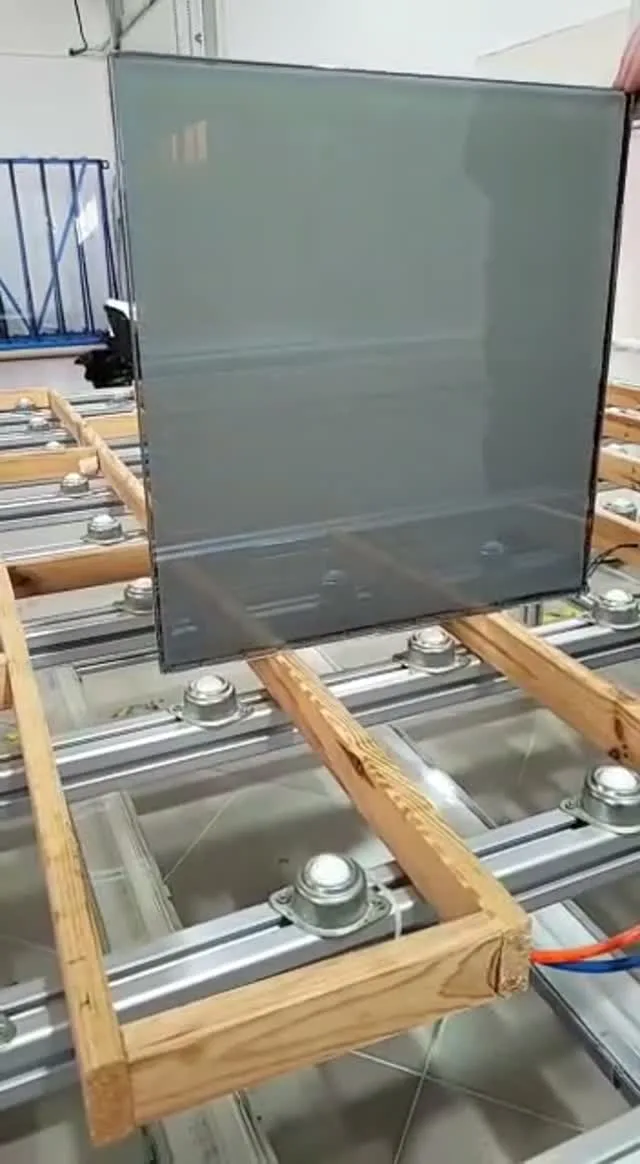
An active pane connects glazing, electrical work and controls. If these scopes meet only on site, changes, delays and visible connections become more likely. DGF structures the process from quotation data through manufacturing approval to functional testing.
Answer in brief
DGF translates the required privacy function into a manufacturable and commissionable system: solution selection, pane data, active area, cable exit, power and control requirements, installation coordination and testing. The exact division of supply and responsibility is stated in each quotation so the client and main contractor can compare scope rather than only the price of glass.
Starting point
The most common risks do not come from the switching action itself. They arise when final dimensions change after manufacture, the frame has no space for the connection, the cable lacks a protected route, the power supply is enclosed without access or contractors interpret commissioning scope differently.
A quotation should therefore identify the product, pane count and orientation, processing, active area, power and control components, transport, installation method, electrical work and handover criteria. A line reading “smart glass — complete” without this information makes bids hard to compare and transfers uncertainty into the programme.
DGF can join at concept, tender or technical-design stage. The earlier we receive plans, glazing schedule, sections and the user scenario, the sooner interfaces with framing, ceilings, power and building controls can be closed.
Decision scope
This checklist reduces incomparable bids, trade clashes and expensive site decisions.
Who switches the glass, in which situation, which panes operate together and which state is required after power loss.
Each element receives a size, orientation, build-up, processing, active-zone position and cable-exit edge.
Frames, support, seals, tolerances and installation access must match the approved glass configuration.
The design defines circuit count, accessible power-supply locations, cable routes, protection and the electrical scope boundary.
Switch, remote, app, scenes or BMS receive a functional description, signal schedule and local operating method where required.
Scope covers delivery, storage, vertical transport, opening readiness, work sequence and protection of active edges.
Handover criteria cover circuit identification, testing every element in both states, control verification, cleaning guidance and service access.
Decision matrix
This is a starting point. Final allocation must follow the quotation, contract and project documentation.
| Scope | Responsible party | Inputs | Closure evidence |
|---|---|---|---|
| Privacy function | Client / architect | User scenarios and sightlines | Approved functional brief |
| Active-pane data | DGF | Dimensions, construction and project requirements | Approved manufacturing drawing |
| Framing and glazing | Partition contractor | System sections and pane data | Agreed edge detail |
| Building electrical services | Qualified electrical trade | Power, circuits, routes and control requirements | Electrical test record |
| System test | DGF with relevant contractors | Completed glazing, power and controls | Functional record for both states |
Sequence matters
Each gate closes a defined decision stage. Manufacture should not overtake data approval.
Functional scope, indicative sizes, element count, product route, controls and installation assumptions.
Final sections, frames, processing, cable edges, power supplies, circuits and trade interfaces.
Unambiguous drawings and pane schedule approved before irreversible manufacturing processes begin.
Confirmation of openings, routes and power, followed by glazing, connection, testing, guidance and documentation.
Next step
FAQ
Plans or a schedule, indicative pane sizes and quantities, room types, required privacy scope, intended construction, controls and project location are enough to begin. DGF will state assumptions and identify missing information.
Final dimensions and orientation of every pane, processing, glass build-up, active area, cable-exit edge, accepted frame detail, cable routes and power-supply locations. The approval scope is recorded in project documentation.
Yes. This requires early exchange of sections, tolerances and installation method plus a clear allocation of framing, glazing, connection, electrical and commissioning responsibilities. The final detail must be confirmed by the relevant parties.
Treat active glass as a process covering brief, coordination, survey, approval, manufacture, logistics and commissioning. The critical controls are closing data before manufacture and preparing frames, routes and power before glass delivery.
A specific project
Project and quotation
Include indicative dimensions, room type and expected effect. You can also start with a photo or plan sent in your email reply.
Jasionka 954 Aeropolis