
 English
  Polish
  Czech
Czech  German
  Spanish
  Italian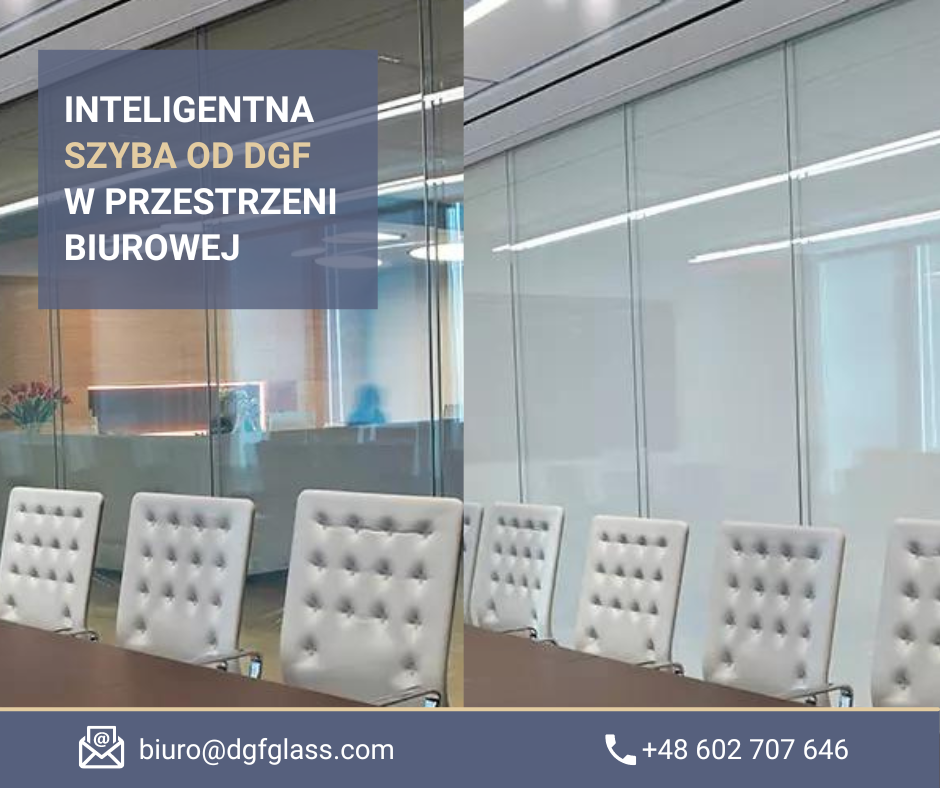
Online comparisons often begin with price or appearance. The key issue is whether screening should be permanent, binary or gradual. The second question is light: should it remain diffused, be reduced or be blocked completely?
The third decision group concerns daily use: cleaning, service, noise from moving elements, access to services and who operates the solution. A product that looks good in a photograph may be inconvenient in a hotel or unnecessarily complex in a private bathroom.
1. First define the states you need
If the partition should always be private, a switching mechanism creates no value. Permanently frosted glass, screen printing or decorative film may solve the task more simply. If openness and privacy need to alternate, switchable glass or a moving screen becomes justified.
If several light levels or complete darkness are required, a blind, louvre or dedicated solar-control technology may be better. Standard DGF PDLC switches the view between clear and frosted; it does not replace every kind of screen.
2. Functional comparison in one table
The table describes typical behaviour, not every possible configuration. Blinds and louvres have many variants, glass can include additional layers and frosting films have different opacity. Final selection must refer to the actual product and detail.
| Criterion | PDLC smart glass | Blind / louvre | Permanent frosting |
|---|---|---|---|
| State change | Clear / frosted | Open / partial / closed | No change |
| Light in private mode | Diffused light remains | Depends on position | Diffused light remains |
| Blackout | No | Possible with the right blind | No |
| Moving parts | None on glass surface | Yes | None |
| Power | For clear state | Depends on drive | No |
| Change after installation | Limited by finished pane | Screen can usually be replaced | Replace glass or film |
3. Aesthetics and cleaning: a clean pane versus added equipment
Switchable glass maintains a continuous surface without a visible cassette, track or fabric in the open space. This is particularly valuable in minimal interiors, hotel bathrooms and healthcare rooms where simpler accessible surfaces support cleaning.
A blind can disappear into joinery and its material can be replaced without manufacturing a new pane. An integral blind protects its slats but requires a suitable glazing unit. Permanent frosting is visually calmest if a clear view is never required.
4. Cost: compare lifecycle and scope, not one line item
Permanent frosting usually has the lowest initial cost. A moving screen adds mechanism, cassette, installation and future component replacement. Switchable glass combines a higher pane cost with power and coordination, but removes the screen from the architecture and day-to-day cleaning.
In a hotel, account for operation and cleaning across many rooms. In an office, consider privacy-change frequency and blind maintenance across many meeting rooms. At home, assess the genuine need for a second state. Cost should correspond to lifecycle value.
5. New construction and retrofit lead to different answers
A new partition can coordinate active glass, framing, wiring and power from the outset. In a finished interior, replacing a large pane may require demolition, protection and downtime. Applied film or an external screen may then offer a better work balance.
An existing blind in good condition need not be replaced merely because a newer technology exists. Retrofit makes sense when it solves a specific problem: difficult cleaning, interior conflict, lack of space, damage or a need for a variable view.
6. A short selection path
If the surface should always be private, start with permanent frosting. If complete darkness or gradual light control is required, start with a mechanical screen or dedicated solar-control technology. If the space should remain clear day to day and turn frosted for selected moments, start with switchable glass.
Then check project stage, power availability, expected viewing quality, service access and budget. A sample and simple plan are usually enough to compare two real options rather than generic claims.