
 English
  Polish
  Czech
Czech  German
  Spanish
  Italian
 DGF project knowledge
Knowledge that supports a sound design decision.
No vague promises about “the glass of the future”. We explain how an active pane works, where it provides a real advantage and what must be defined before ordering.
Browse the guides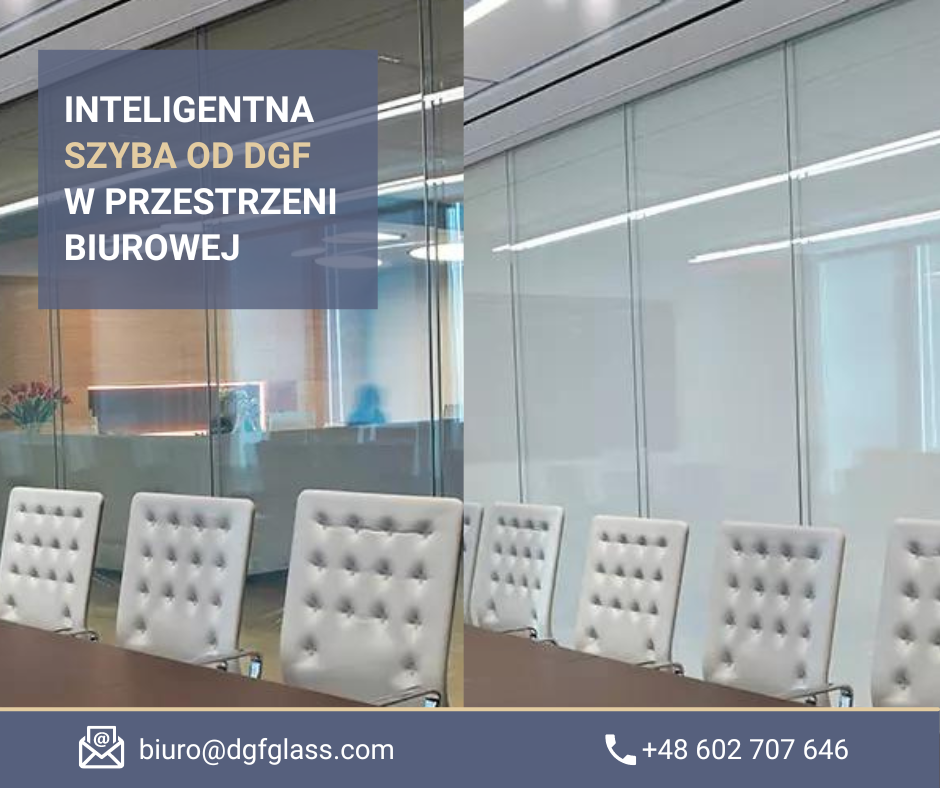
Featured guide
How much does switchable smart glass cost? A reliable quotation starts before the square-metre rate.
Two panes with the same area may require different build-ups, processing, circuit counts and installation methods. A square-metre rate is therefore only one part of cost; a sound quotation describes the complete solution and the assumptions behind it.
Read the guideDecision map
Choose the question you have now.
You do not need to read everything in sequence. Each path leads from a general answer to a specific product, application or consultation.
DGF library
Guides to read before requesting a quote.
Each guide answers a different design question and leads to the relevant product or application.
 02Specification / PDLC glass without shortcutsPDLC glass technical data. A parameter matters only with its test conditions.Clarity, haze, voltage and power consumption can easily become an impressive list of numbers. A sound specification does more: it identifies pane configuration, glass state, test method, tolerance and the conditions in which a value applies.Read
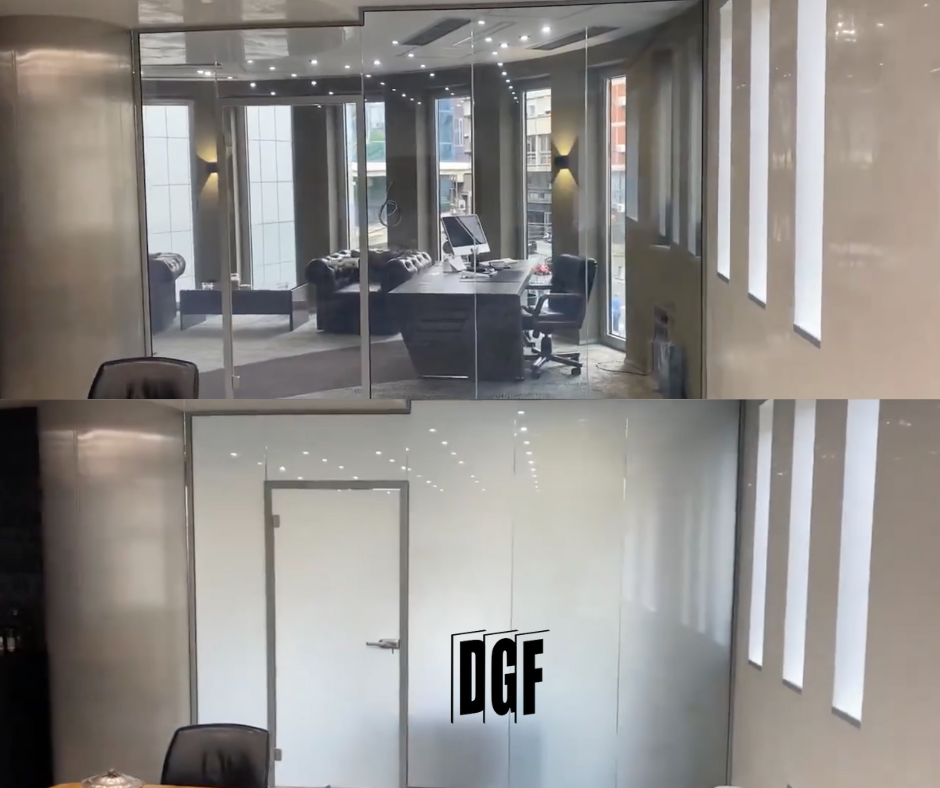
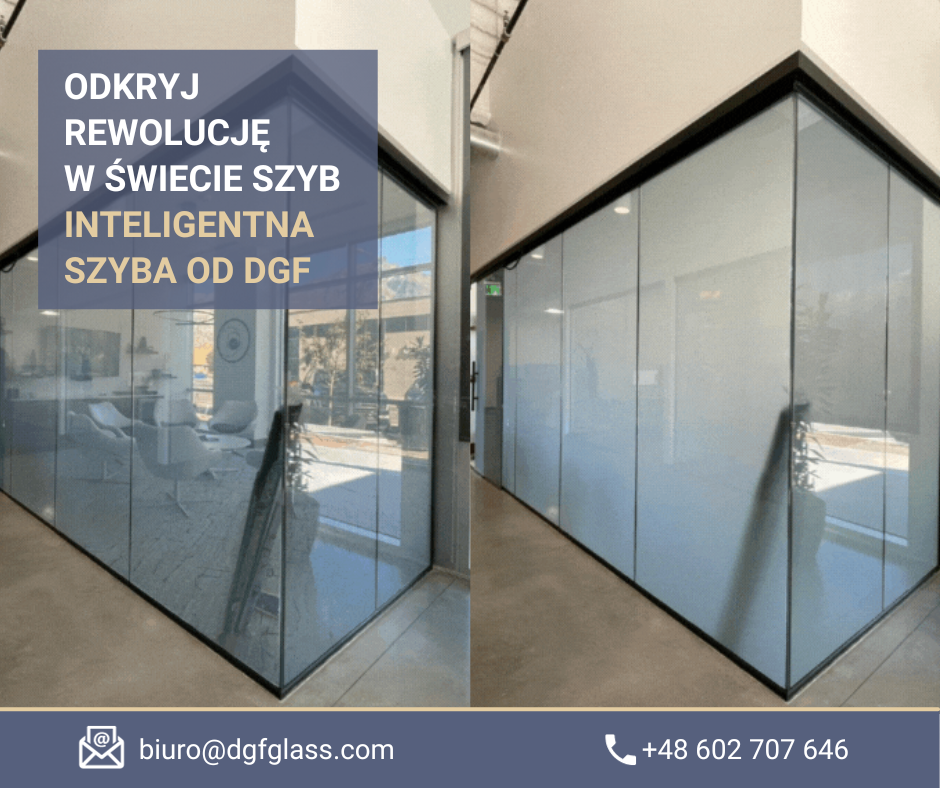 03Comparison / two different jobsPDLC and electrochromic glass. A similar promise of change, a different effect and design.Both technologies are called smart glass, but they are not interchangeable. PDLC quickly changes image visibility between clear and frosted states. Electrochromism progressively changes tint and the transmission of light and solar energy.Read04Privacy / light and view testSmart-glass privacy at night. A frosted state does not replace lighting design.The frosted state obscures recognisable images while transmitting diffused light. When one side is bright and the other dark, shadows and outlines may appear. Privacy should be checked in the hardest scenario, not only in a daytime showroom.Read05B2B procurement / manufacturer and responsibilityHow should a smart-glass manufacturer be selected? Compare responsibility, not pane price alone.A smart pane belongs to a larger system: glass, frame, wiring, power, controls and installation. A supplier should close the interfaces between these elements, state assumptions and prepare handover—not only send a square-metre price.Read06Client checklist / comparable quotationA request for quotation for switchable glass. The client checklist.A sound quotation does not begin with a perfect design but with a consistent information set. Dimensions, function, construction, connection, controls and installation scope let DGF identify a route, risks and information requiring confirmation.Read07Sliding doors / detail, power and installationSwitchable glass in sliding doors. How should the detail be planned?In a moving leaf, the active pane, hardware and cable must work as one system. The best result does not come from adding power to finished doors; it comes from defining the connection route, end positions and service access before approving the pane.Read08Technology / principles and limitsPDLC glass. How liquid crystals change a view without turning the pane into a blind.PDLC switches glass between clear and frosted states very quickly. What actually changes is the way light is scattered and an image is seen—not every performance characteristic of the complete partition.Read09Delivery / from survey to handoverSwitchable smart-glass installation. The most important work happens before the pane reaches site.Glazing the pane is one of the final stages. Quality is decided earlier through final dimensions, build-up, framing, cable direction, power-supply location, package responsibility and functional testing.Read
 10Automation / local and remote operationSwitchable glass controls. The best system is the one users do not need to learn.A switch, remote, app and BMS are not four levels of prestige. They are tools for different situations. Selection starts with pane count, switching frequency, user responsibility and required failure behaviour.Read
 11Honest review / before purchaseSwitchable smart glass—benefits, drawbacks and limits without marketing shortcuts.PDLC can change how a space is used in a second. It is not invisible glass, a blackout blind, acoustic insulation or a product that can be fitted at the end of a refurbishment. The best decision begins with understanding both sides.Read12Comparison / selecting a view-control solutionSwitchable glass, blind or frosted glass? Choose the function, not the most striking product.Each solution can be right. Switchable glass provides variable privacy and clean detailing, a blind creates physical screening, and permanent frosting offers simplicity without power. The decision follows daylight, switching frequency, hygiene, budget and project stage.Read13Operation / cleaning and diagnosisSwitchable glass cleaning and service. Reliable operation begins in the design.The accessible glass surface is straightforward to care for, but the active system also includes edges, wiring, power supply and controls. Their protection and accessibility determine whether diagnosis takes an hour or requires dismantling the interior.Read14Project guide / meeting roomThe meeting room of the future? Start with a room that works well today.The best technology disappears in daily use. A user enters, screens the view with one action and begins the meeting—without an installation lesson or compromised glazing lines.Read
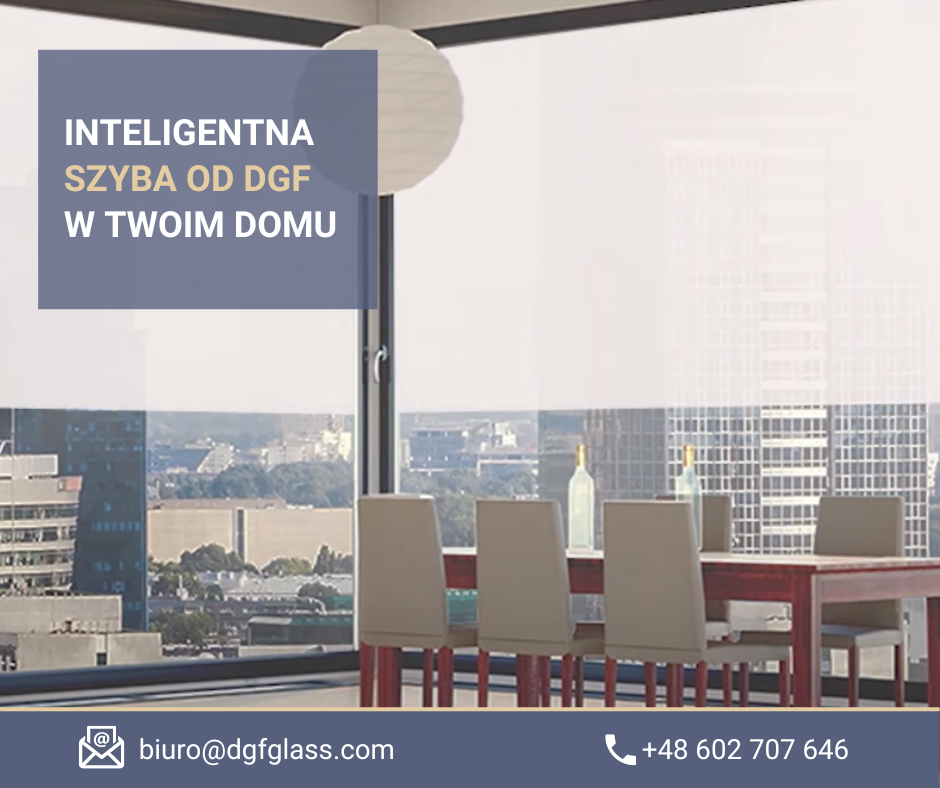
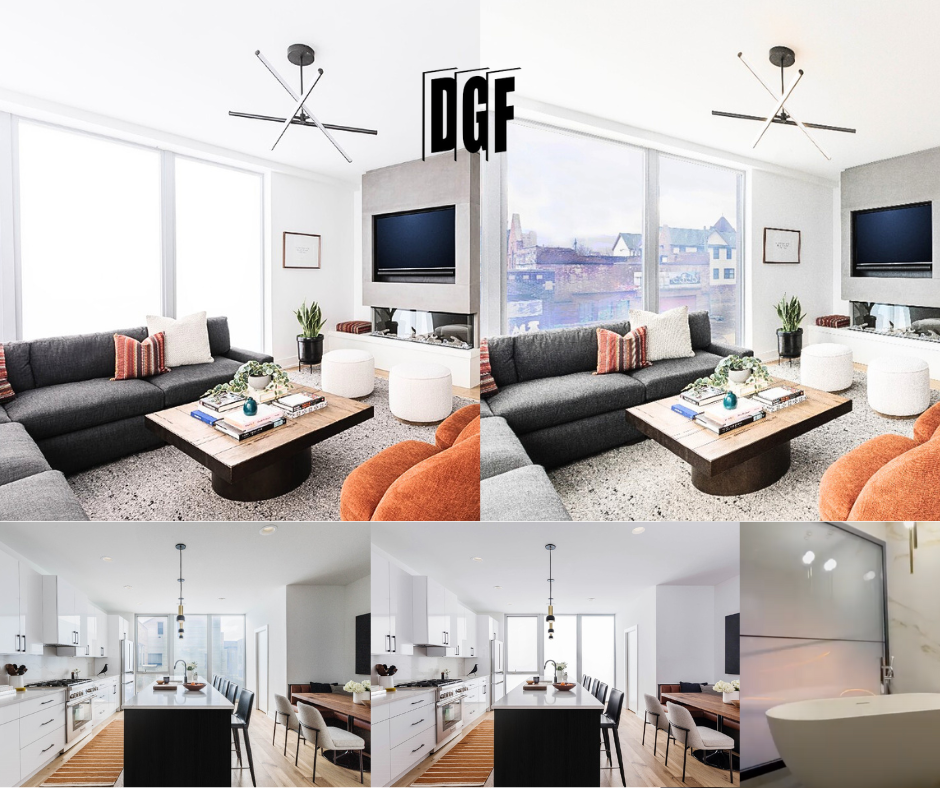 15Ideas / home and apartment10 practical applications for smart glass at home.Not futuristic gadgets, but places where one pane genuinely resolves a conflict between light, views and privacy. Each idea includes its key design condition.Read16Product guide / selectionThe DGF smart-glass family. Choose the function before the variant.Classic, Segment, Colour, smart windows and SUPLA are not five names for the same product. Each answers a different decision: privacy extent, pane zoning, interior character, sash movement or controls.Read17Home / privacy and lightSmart glass at home. An electronic view screen, but not every kind of blind.One action can turn clear glazing into a frosted surface without fabric, cassette or tracks. A good solution distinguishes privacy from blackout and assesses window construction, light and wiring.Read18Office design / workplace comfortSmart glass in the office. Fewer permanent barriers, more deliberate scenarios.A switchable pane does not “increase productivity” on its own. It can help teams manage views, discretion and room openness when its function follows the work rhythm rather than a visual gimmick.Read19Technical guide / technology choiceSwitchable glass and liquid-crystal film. A similar effect, a different design decision.Both solutions can move between clear and frosted states. They differ in construction, installation, edge detailing and project role. The choice should follow the project stage, glazing construction and expected finish.Read
From knowledge to project
Three questions organise the first conversation.
You do not need to know the technology or have a finished specification. Describe the space and expected effect.
- 01
Where?
Room, dimensions, glazing type and project stage.
- 02
Why?
The view to retain and the situation that requires privacy.
- 03
How?
Switch, remote, app or integration—aligned with daily use.
Have a specific question?